
Transport in France
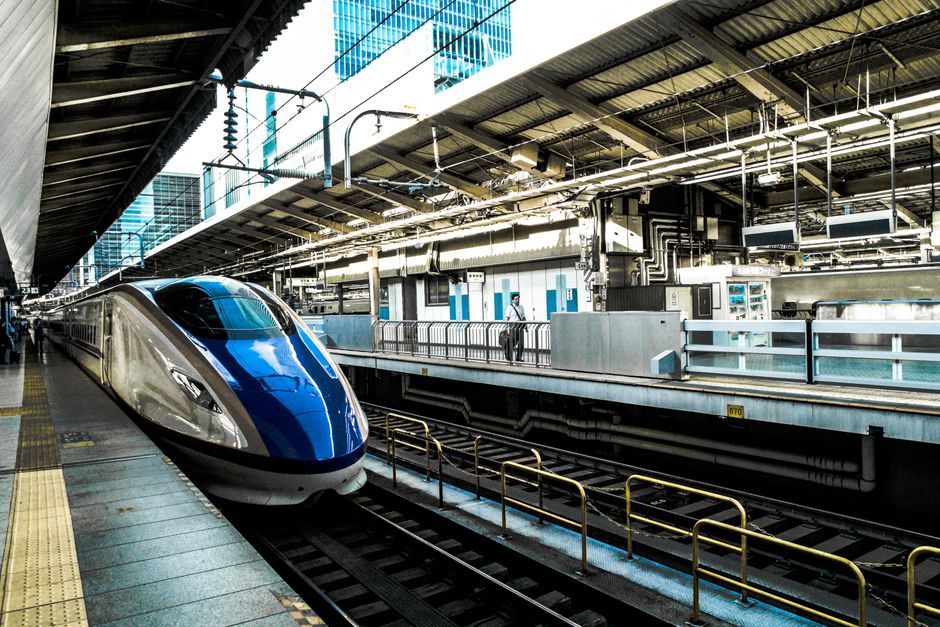
Navigating City Public Transport
Getting around France’s vibrant cities is highly efficient thanks to extensive public transport networks. In Paris, the RATP operates a comprehensive system of metros, buses, and trams. A single T+ metro or bus ticket costs 2.15 EUR as of January 2024, providing convenient access across the city.
For longer stays in the Île-de-France region, the Navigo Découverte weekly pass is an invaluable asset. This pass, costing 30.75 EUR as of January 2024 for zones 1-5, covers all public transport from Monday to Sunday and requires a passport-sized photo for activation, offering significant savings over individual tickets.
Most major French cities maintain public transport operations from approximately 05:30 AM to 00:30 AM daily, with some Paris lines extending service until 02:00 AM on weekends. Beyond traditional transport, Paris also offers Vélib’ Métropole, its official bike-sharing system, and reliable taxi services like G7 Taxis, accessible via their dedicated app.

Intercity Train Travel: TGV & Ouigo
Intercity train travel is a cornerstone of getting around France, with the national rail operator SNCF (Société Nationale des Chemins de fer Français) providing an extensive high-speed network. The TGV, France’s renowned high-speed train, connects major cities swiftly and comfortably, making it an excellent choice for covering long distances.
Booking TGV tickets well in advance is crucial for securing the best fares; for example, a one-way standard class ticket from Paris to Lyon typically ranges from 40 EUR to 90 EUR when purchased early, but can easily exceed 120 EUR for last-minute bookings. To save significantly, aim to book at least two to three months ahead, especially for popular routes and peak travel periods.
For budget-conscious travelers, Ouigo, SNCF’s low-cost TGV service, offers a more economical option, though with fewer amenities and stricter baggage rules. Additionally, services like BlaBlaCar provide a popular carpooling alternative for intercity journeys, often at competitive prices.

Driving in France: Rules, Tolls & Zones
Driving offers unparalleled flexibility for exploring France’s diverse landscapes, but understanding local regulations is essential. The speed limit on French motorways (autoroutes) is generally 130 km/h, reducing to 110 km/h in wet conditions, while urban areas typically enforce a 50 km/h limit. All vehicles must carry a reflective safety vest and a warning triangle as mandatory equipment.
Toll roads, known as autoroutes à péage, are prevalent across the country and contribute significantly to travel costs; a journey from Paris to Nice, for instance, can incur over 60 EUR in tolls alone. It is wise to factor these expenses into your travel budget when planning a road trip.
Furthermore, many major French cities have implemented Zones à Faibles Émissions (ZFE), or Low Emission Zones, to combat air pollution. When renting a car, ensure it is equipped with the correct Crit’Air sticker to avoid fines when entering these restricted areas, a vital insider tip for seamless travel.

Essential Transport Tips & Savings
Efficiently getting around France involves strategic planning and leveraging available resources. For significant savings on intercity rail, always book TGV tickets through SNCF Connect at least two to three months in advance, or opt for the budget-friendly Ouigo service. This proactive approach can drastically reduce travel expenses, especially during high season.
In Paris, if your stay spans a full week from Monday to Sunday, purchasing a Navigo Découverte pass immediately upon arrival is highly recommended. This pass, available from RATP, offers unlimited travel across all zones for 30.75 EUR and requires a passport-sized photo, proving far more economical than purchasing daily tickets.
Beyond trains and city passes, consider carpooling services like BlaBlaCar for flexible intercity travel or utilize bike-sharing systems such as Vélib’ Métropole in Paris for short urban distances. Always be mindful of specific driving regulations, including mandatory equipment and Crit’Air stickers for Low Emission Zones, to ensure a smooth and enjoyable journey across France.